Property Intelligence Method

How a defensible pricing strategy is built.

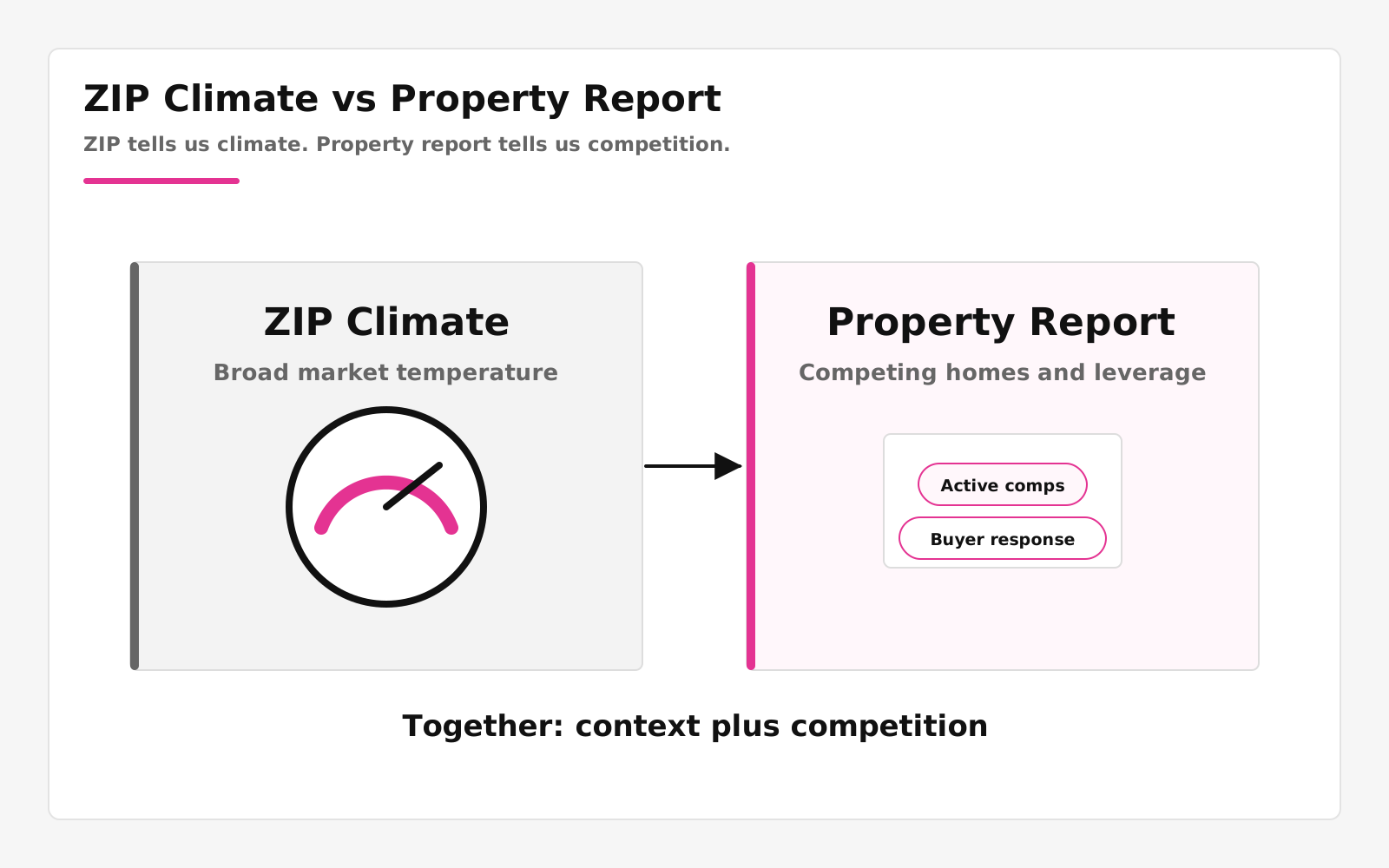
A strong property read is not a single number. It is a pricing strategy built from value signals, buyer behavior, active competition, seller priorities, and market timing.
More than an online estimate

The evidence behind the strategy.

  1. 01
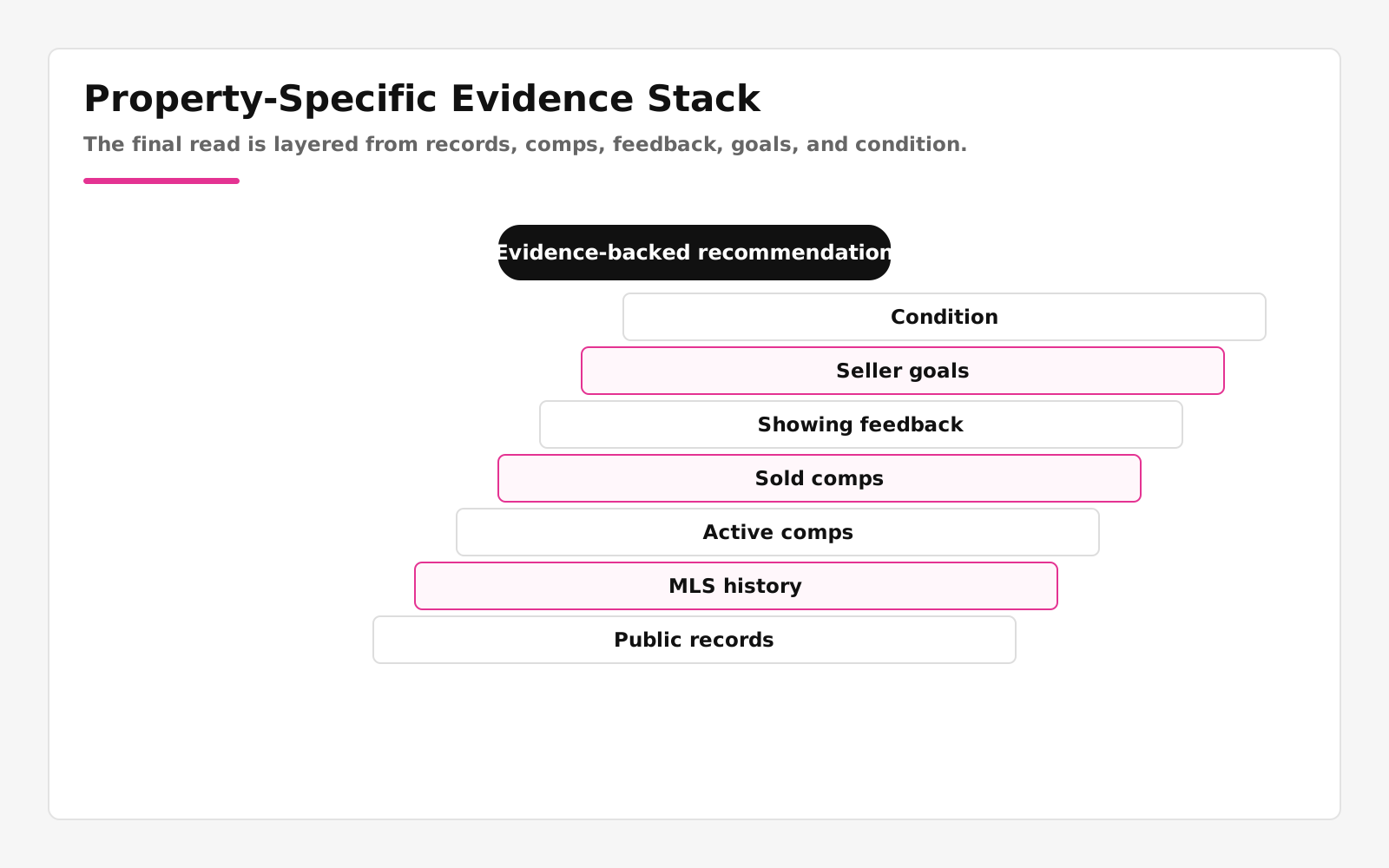
    Public records

    Confirm the basic facts and history before drawing a pricing conclusion.

  2. 02
    MLS history

    Review prior list, sale, days-on-market, concessions, and marketing context.

  3. 03
    Active competition

    See what buyers can choose instead of the subject property today.

  4. 04
    Sold comparables

    Use closed sales as history—not as a substitute for current competition.

  5. 05
    Showing feedback

    Listen for repeated buyer signals about condition, price, and presentation.

  6. 06
    Seller goals

    Balance timing, certainty, proceeds, flexibility, and comfort with risk.

  7. 07
    Property condition

    Account for updates, repairs, layout, access, views, and buyer perception.

  8. 08
    Evidence-backed pricing strategy

    Translate the layers into a probable range, positioning, execution plan, and adjustment rules.

Public records → MLS history → active competition → sold comparables → showing feedback → seller goals → property condition → evidence-backed pricing strategy.

The SIGNAL Pricing Method

Six questions turn market evidence into a decision.

S

Subject Property Truth

Condition, layout, updates, location, and the details buyers notice first.

I

Inventory and Immediate Competition

The homes buyers can choose instead of yours right now.

G

Going Pending and Buyer Decisions

What is attracting offers, where buyers hesitate, and which terms create leverage.

N

Neighborhood and Market Momentum

The pace and direction of the relevant area, property type, and price range.

A

Audience Response

Showing activity, feedback, saves, inquiries, and the pattern behind real buyer behavior.

L

Listing Strategy and Decision Rules

The launch plan, review cadence, and adjustments that keep the strategy honest.

The conclusion is more than a number

Every review separates the range, the positioning, and the plan.

Probable market range

What the available evidence can reasonably support, with assumptions visible.

Recommended positioning

How the property should enter the competition based on the decision and risk tolerance.

Execution plan

Presentation, access, launch timing, feedback loops, and the first decision checkpoints.

Adjustment rules

What would cause a change—and what should not be changed just because one week is noisy.